Independent Referral Platform
Connects Reno and Washoe County property owners with independent, licensed Nevada roofing contractors. Strictly zero web forms. Direct phone dispatch.
Incline Village • Crystal Bay • Lake Tahoe Basin • High-Elevation Specialists
Incline Village Roof Tarping & Heavy Snowload Mitigation at Lake Tahoe
Perched on the North Shore of Lake Tahoe at elevations ranging from 6,350 to over 7,500 feet, Incline Village experiences some of the heaviest snowfall and most extreme winter conditions in the United States. Wet 'Sierra cement' snowfalls regularly dump 3 to 6 feet of dense, heavy snow within 48 hours, placing immense structural loads on luxury alpine estates, chalets, and commercial properties. Massive ice dams, rafter deflection, and active interior leaks require specialized high-elevation roofing expertise. Our 24/7 dispatch desk routes certified high-elevation roofing crews equipped with industrial steam generators and alpine safety rigging.
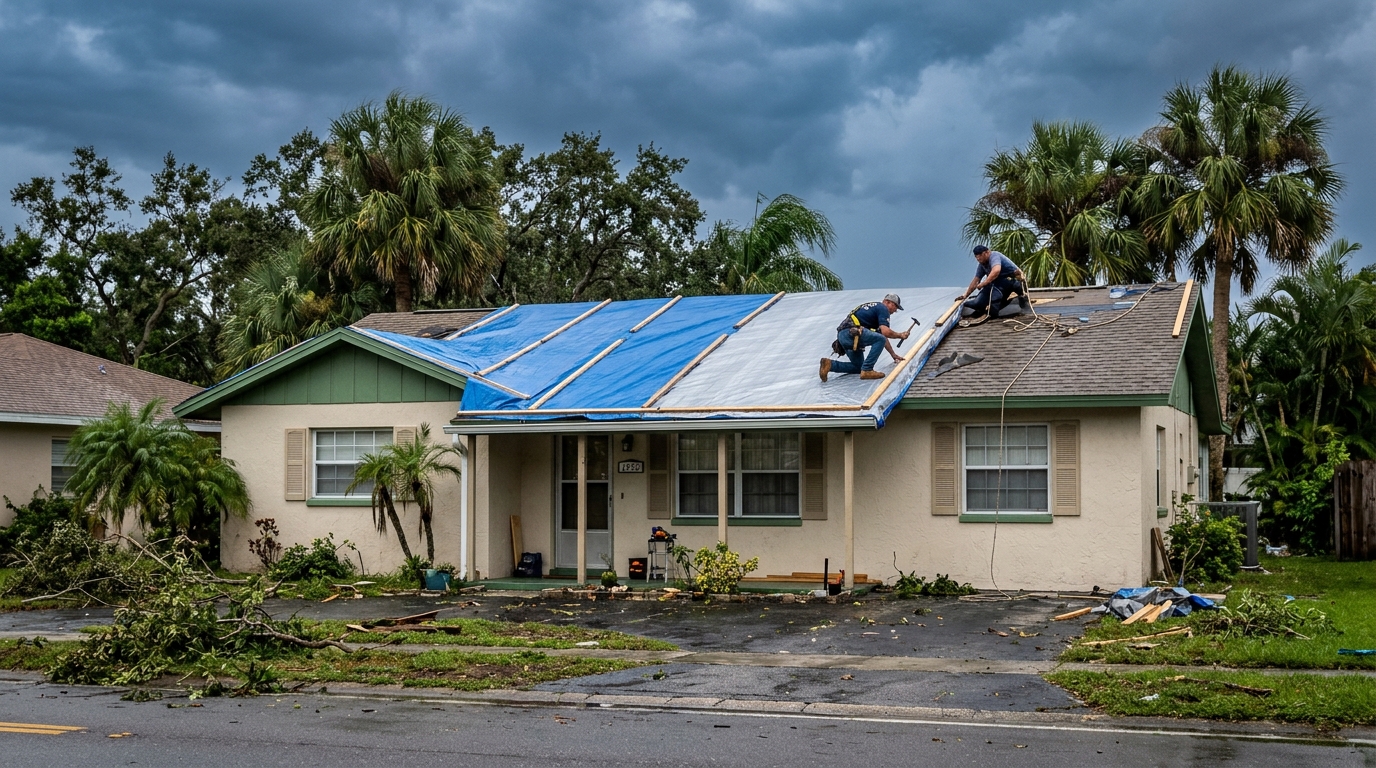
Field Documentation • Emergency Roofing Dispatch • Incline Village Roof Tarping, Washoe County, NV
Localized Microclimate & Repair Protocols • Incline Village Roof Tarping
Protocol 1: High-Elevation Alpine Safety Rigging for steep-pitch luxury Lake Tahoe chalets.
Protocol 2: Low-Pressure Industrial Steam Ice Dam Channeling preventing shingle and gutter breakage.
Protocol 3: Safe Snow Overburden Clearing reducing hazardous structural dead load on roof trusses.
Protocol 4: Engineered High-Altitude Underlayment Systems compliant with Tahoe Regional Planning Agency (TRPA) rules.
1. Microclimate Dynamics & Severe Weather Stressors in Incline Village Roof Tarping
Incline Village's alpine environment presents extreme roofing challenges. Snowpacks weighing 30 to 50+ pounds per square foot exert crushing force on roof decks and valleys, while massive ice dams measuring several feet in thickness build along cold eaves. Meltwater backed up behind these ice dams frequently breaches traditional underlayment, pouring into multi-million dollar timber-framed living rooms and custom cathedral ceilings. Technicians utilize non-impact industrial steam wands to safely slice drainage channels through ice dams, deploy alpine safety harness systems to remove dangerous snow overburden, and install batten-anchored 10-mil tarps capable of withstanding heavy snowloads and alpine blizzards.
The mechanical stress exerted on roofing systems in this sector is driven by intense diurnal thermal cycling. During typical northern Nevada winter conditions, sunny days warm dark roof surfaces to 50°F or higher, causing substantial expansion of flashing assemblies and meltwater runoff. As soon as shadows fall across the valley, temperatures plummet into the teens. Any standing moisture freezes instantly, expanding by 9% and tearing underlayment, fracturing unsealed tile joints, and dislodging chimney flashings.
Accurately diagnosing leaks in Incline Village Roof Tarping requires scientific thermography rather than speculative guesswork. Dispatched roofing specialists employ FLIR high-resolution thermal cameras to trace moisture plumes behind drywall, insulation, and roof sheathing. Because wet cellulose or fiberglass insulation exhibits significant thermal lag compared to dry framing members, thermal imaging pinpoint the exact capillary route of intruding water without destructive demolition of walls or ceilings.
Calibrated electronic moisture meters are then used to record quantitative saturation percentages throughout structural roof trusses, ceiling joists, and OSB/plywood sheathing. This establishes baseline moisture logs essential for proving storm-induced damage to property insurance adjusters.
3. Step-by-Step Substrate Restoration Methodology
Permanent restoration follows a rigorous 4-step engineering protocol. First, technicians establish safe ladder access and secure personal fall arrest harnesses meeting OSHA 29 CFR 1926 standards. Next, damaged roof coverings (shingles, tiles, or low-slope membranes) are carefully extracted and cataloged. Any water-damaged or dry-rotted roof decking is removed down to solid rafters and replaced with APA-rated 5/8-inch CDX plywood.
Technicians then apply self-adhering SBS polymer-modified bitumen ice-and-water underlayment (ASTM D1970) across all valleys, eaves, and penetrations. This membrane bonds directly to the wood decking and self-heals around roofing nail penetrations. Finally, new heavy-gauge metal flashings and replacement roofing materials are installed and mechanically fastened to resist maximum local wind velocity ratings.
4. State Energy Efficiency Codes & Contractor Licensing Compliance
All roofing work in Incline Village Roof Tarping is executed in strict accordance with the Northern Nevada Regional Building Code and the 2021/2024 International Residential Code (IRC). Contractors in our network hold active Class C-15 (Roofing and Siding) licenses issued by the Nevada State Contractors Board (NSCB) under NRS Chapter 624.
Each dispatched contractor carries active commercial general liability insurance (,000,000 minimum) and complete Nevada workers' compensation insurance, shielding homeowners from liability. All structural permits and final municipal inspections are managed directly by the executing contractor.
Proactive preventative maintenance is the most effective way to safeguard your property in Incline Village Roof Tarping against unexpected storm failures. Property owners should schedule comprehensive roof inspections twice per year—in October before winter freezes begin, and in May following the spring snowmelt.
Key preventative maintenance priorities include clearing gutters and downspouts of ponderosa pine needles, inspecting chimney mortar joints for hairline fissures, replacing brittle plumbing vent pipe collars with silicone boots, and verifying that attic ventilation baffles provide continuous fresh airflow to minimize ice dam formation.
Need Urgent Roof Repair Dispatch in Incline Village Roof Tarping?
Connect directly with on-call licensed Nevada roofing contractors prepared for same-day emergency triage, ice dam steam mitigation, and high-wind tarping. Strictly zero web forms.